
NaPoMo ‘26
Prompt-A-Day
April 30th
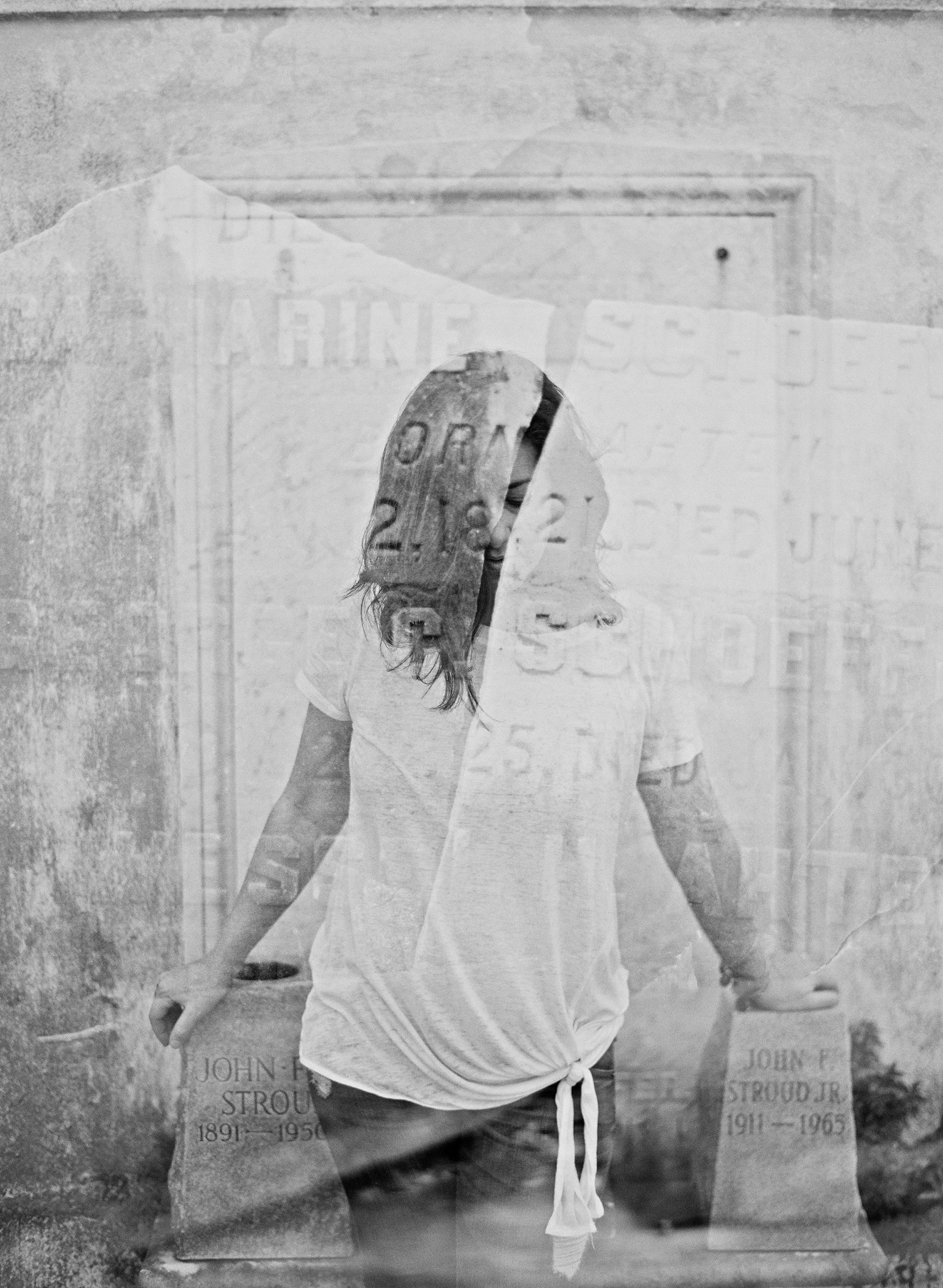
photo by Mary Otanez
Some images carry more than one moment at once—what is here, and what lingers beneath it. A life gathers in layers. Memory does not stay behind us; it moves through us, sometimes rising into the present without warning.
Write a poem that holds more than one time at once.
Begin with what is visible now.
Then allow something from another time to enter—
a memory, a voice, a name, a place.
Let the poem move between what is here and what is carried.
You might consider what remains, what overlaps, what continues quietly alongside you.
April 29th
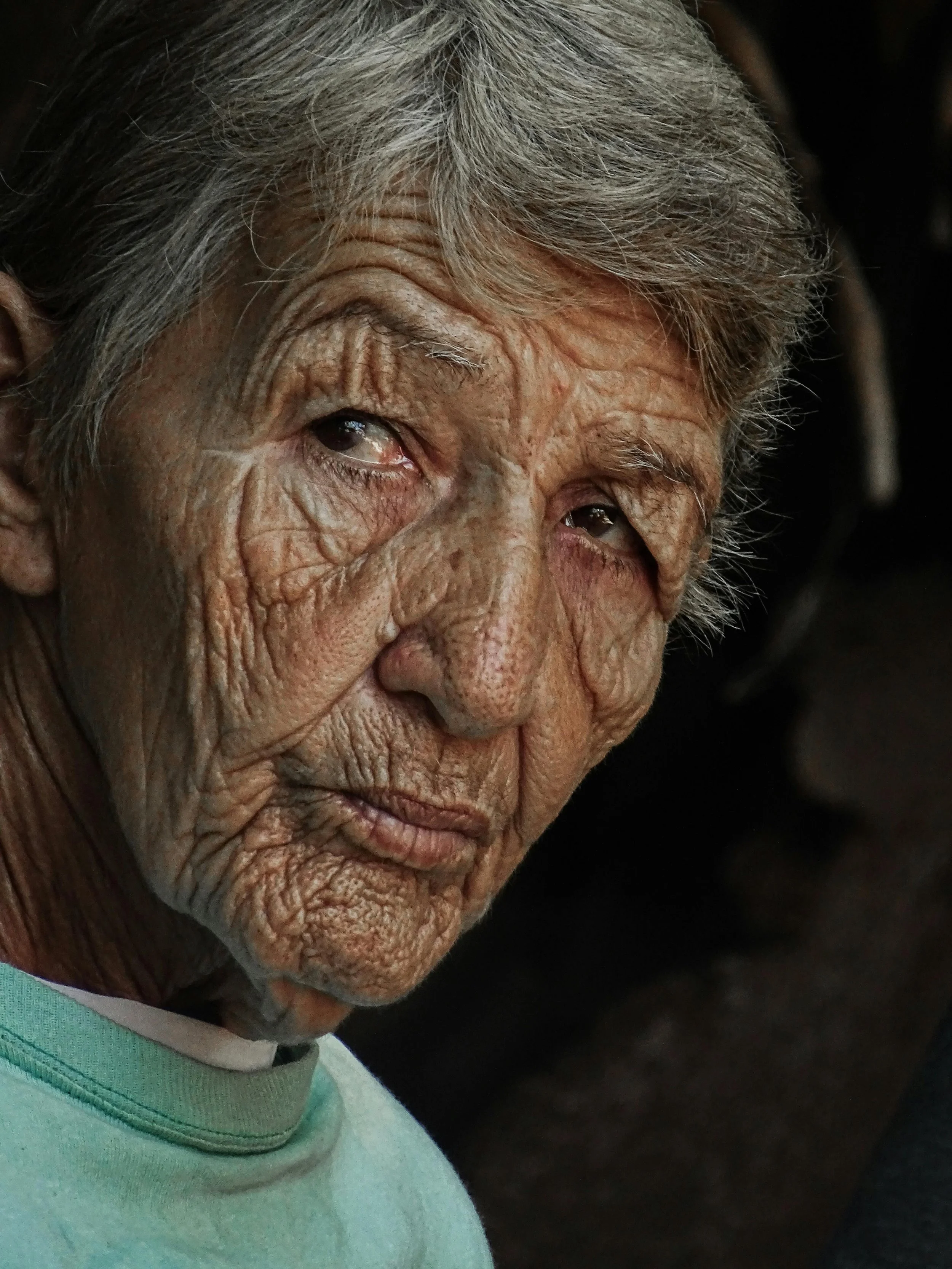
photo by Orlando
Time leaves its marks—visible and invisible.
It takes, yes.
But perhaps it also clarifies, deepens, even offers gifts we do not recognize until much later.
Write a poem that considers what time has taken… and what it has given.
Begin with something concrete and focus on that:
a face, a hand, a gesture, a remembered voice, an object carried through years.
Then let the poem turn toward reflection.
You might explore:
what age has taught that youth could not
what has been lost, and what has ripened
what endures beneath change
how a life gathers wisdom, grief, tenderness
Optional:
Let the poem hold two movements—one toward loss, one toward gift.
Or begin:
What time has given me…
April 28th
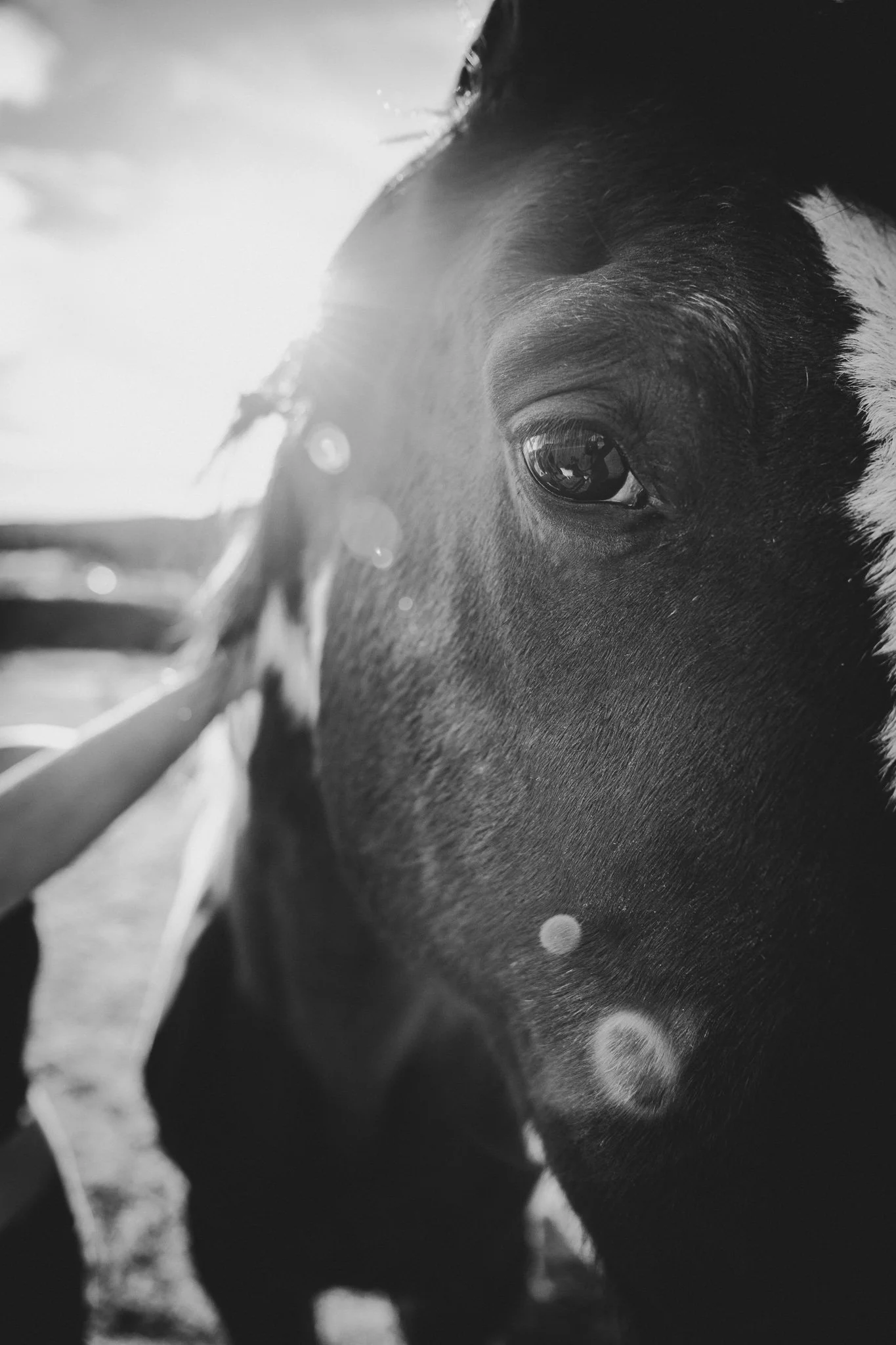
There are forms of attention we receive outside human language.
A gaze.
A presence.
A moment of recognition across species.
Write a poem that begins with an encounter with the more-than-human world—
an animal, a bird, a tree, even a place that seemed, however briefly, to answer you.
Stay with the moment itself:
what was seen, sensed, exchanged.
Then let the poem ask:
What kinds of knowing exist beyond words?
What can other living beings teach us about presence, trust, or companionship?
You might explore:
the intimacy of attention
silent forms of communication
what it means to feel addressed by the living world
Optional:
Write to a nonhuman presence as “you.”
April 27th
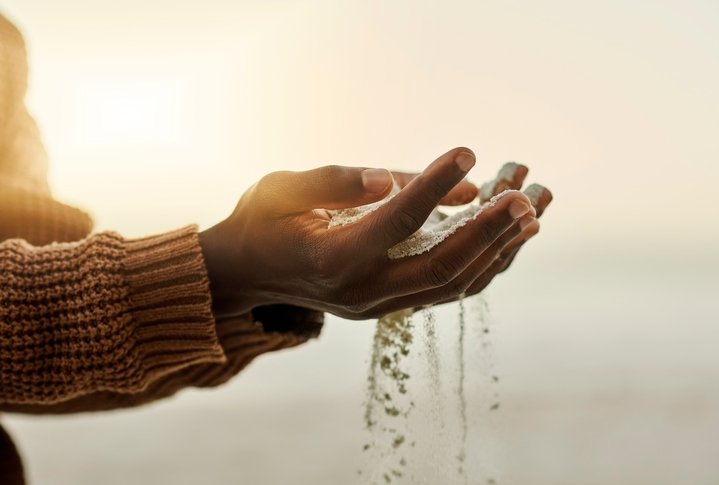
photo by unknown
Some things can’t be held for long.
Write a poem that begins with something slipping away—
time, memory, a season, a voice, a moment you wanted to keep.
Stay close to the image at first:
the hands, the grains, what passes even as we try to hold it.
Then let the poem move toward what loss teaches, or what remains.
Try writing this as a pantoum.
A pantoum is built through repetition:
Write four lines.
In the next stanza, repeat lines 2 and 4 of the first stanza as lines 1 and 3.
Continue this pattern as the poem develops.
Let repetition create echo, change, and surprise.
In a classic pantoum, the first and third lines of the opening stanza return as the final lines of the last stanza (often reversed).
This form can beautifully mirror what returns even as it slips away.
Optional first line:
What falls through the hand still leaves a trace.
April 26th

photo by Lauren Wright Photography
Some things outlast us.
Stone remembers.
Pattern remembers.
Even shadow leaves a temporary mark.
Write a poem that begins with what remains.
Start with what endures:
a carved surface,
an imprint,
a trace left by hands long gone.
Stay with what can be seen.
Then…What do we leave in the brief time we are here?
What survives us—in memory, in language, in what we’ve touched?
You might explore:
what disappears almost as it arrives
how beauty is sharpened by transience
what a life leaves behind besides objects
Let the poem move between what lasts and what passes.
Here is a possible beginning
Even what lasts is passing.
April 25th
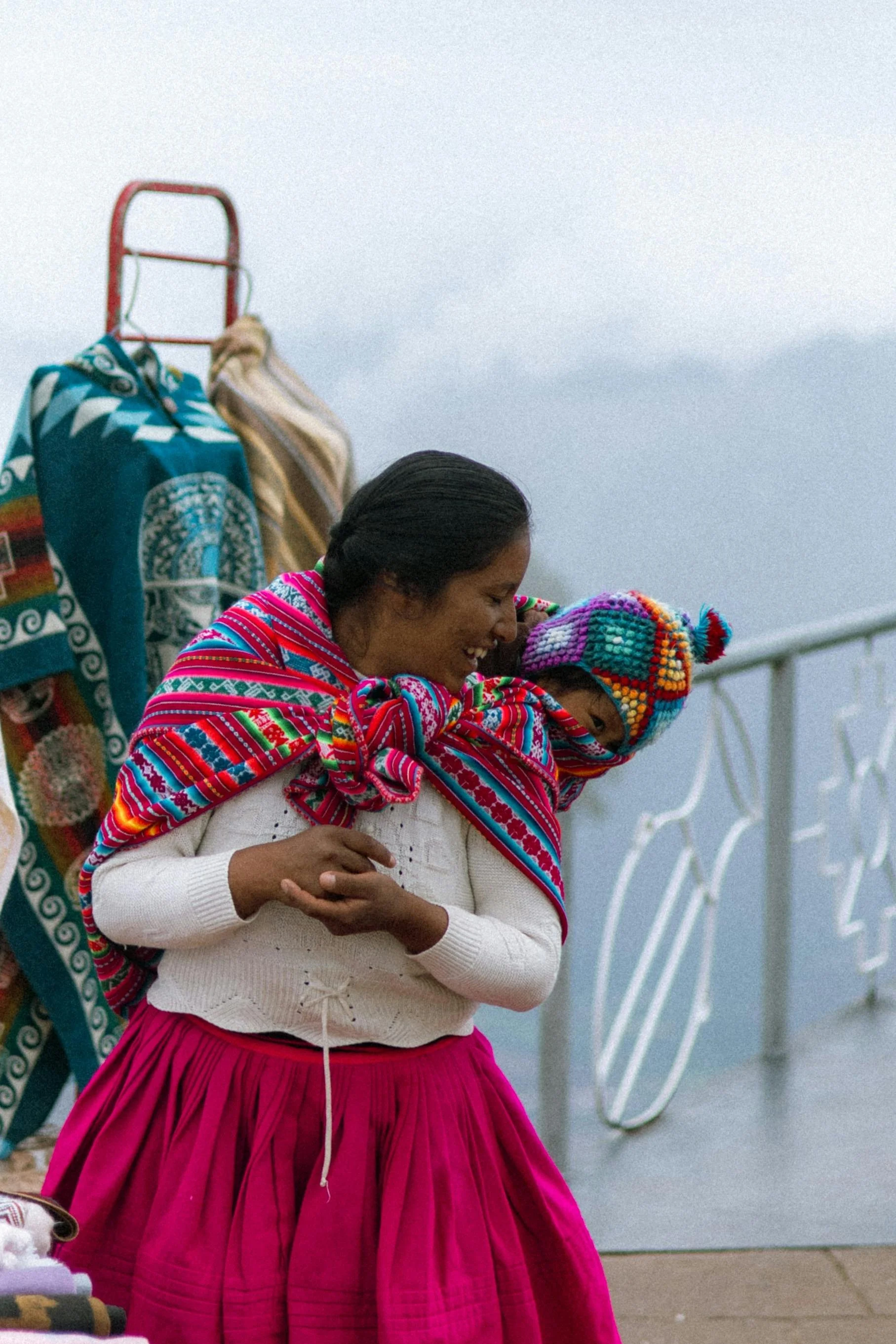
photo by Kimberly Alves
Some images ask not to be entered through description alone, but through feeling.
This one carries warmth, labor, closeness, and joy all at once.
Today, begin with what is being carried.
Not just the child—the weight of care, the daily act of holding.
Write toward a moment when someone carried you—literally or otherwise.
Or when you carried someone: through illness, childhood, grief, distance, ordinary days.
Let the poem move by association.
You might let the poem circle questions like:
What do we carry without naming it?
What has been handed to us through touch, gesture, protection?
What forms of tenderness survive in memory?
If the poem wants, let it move toward inheritance—
what is passed down,
what is wrapped around us,
what we continue carrying.
Optional invitations:
Write the poem as an address to someone who carried you.
Or begin with the line:
What I remember is being held…
April 24th
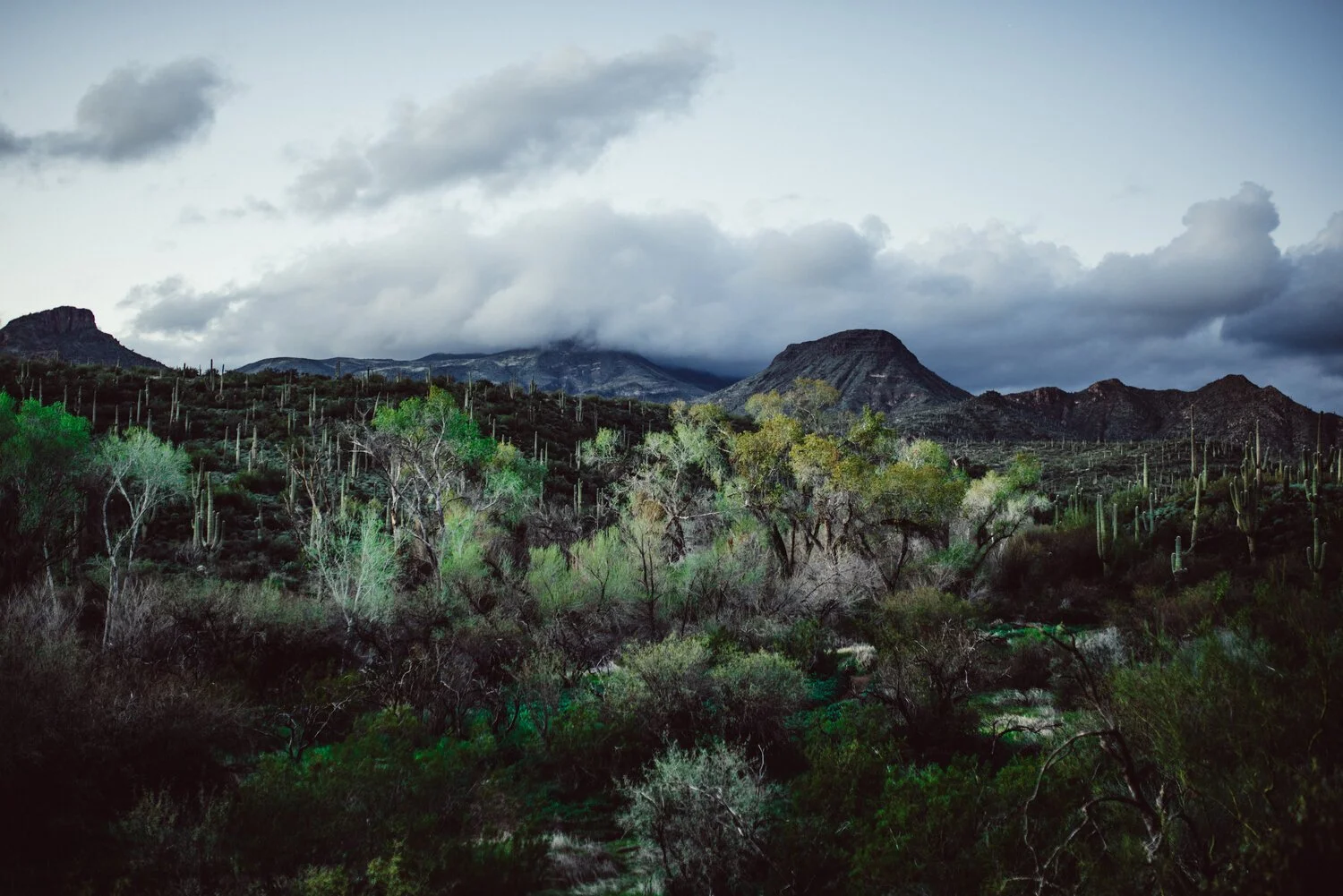
photo by unknown
Something here feels older than the eye can take in at once.
Write a poem that begins with landscape.
Start with what is present: the ridgelines, the weather moving through, the desert growth rising from what seems austere.
Stay with the physical: the scale, the textures, what can be seen before it is interpreted.
Let the poem remain grounded in the actual before moving beyond it.
Then, consider a place that has altered your sense of scale—a landscape that made you feel small, awake, or newly attentive.
What did that place ask of you?
You might explore:
what a landscape holds beyond the human
how weather shapes mood and perception
the way place can feel both wild and sheltering
Let the poem move between observation and encounter—allowing the outer landscape to open into an inner one.
April 23rd
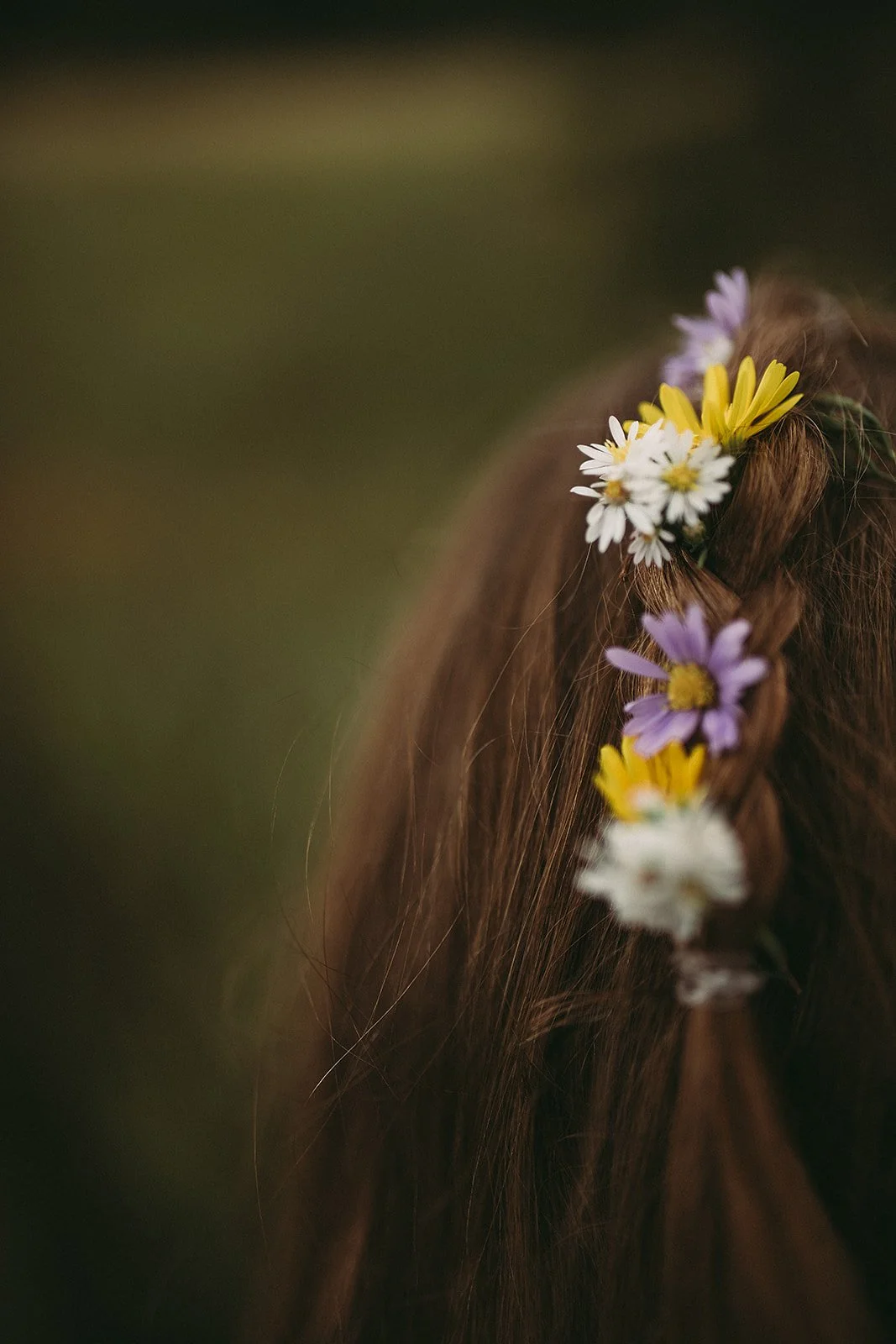
photo by Lauren Wright Photography
Write a poem that begins with something made by hand.
Start with what is visible and stay with the physical:
texture, color, gesture, the patience of making.
Let the poem remain grounded in what can be seen before moving beyond it.
Then, let the poem turn.
Consider a time when you made something fragile and temporary—
a crown, a nest, a bouquet, a promise, a small arrangement meant only for a moment.
What did that act hold?
You might explore:
the impulse to adorn, honor, or celebrate
what is temporary but still feels sacred
Let the poem move between making and meaning—
allowing the small act to open into something larger.
Let one image be woven throughout the poem.
April 22nd
video by Gerrie Paino
For Earth Day, a small shift in attention—not toward the idea of the natural world, but toward being within it.
Something is always moving above us—wind through leaves, clouds passing, light shifting.
The world is not still.
We are held within its motion.
Write a poem that begins by looking up.
Start with what is there: the height of the trees, the movement of the sky, the sound of wind as it moves through what it touches.
Stay with the physical. Stay with what can be seen and heard—the trunks, the leaves, the shifting light, the sound as it passes through.
Let the poem remain grounded in the actual before moving beyond it.
Then, let the poem consider:
What does it mean to be beneath this?
What is happening here that does not depend on us?
What continues, with or without our noticing?
You might explore:
the world beyond human scale
the feeling of being one part within a larger system
what we hear when we stop trying to name or use what is around us
Let the poem stay in relation—not above, not outside, but within.
Optional:
Let one sound return in different ways
Include a moment where the speaker shifts from observer to participant
Avoid abstract language—let image and sound carry the meaning
April 21st

photo by Valeriia Harbuz
.Write a poem that begins with something you can taste.
Start with what is present:
the texture, the color, the way it feels before it is eaten.
Stay with the physical:
what can be held, seen, touched, brought close.
Let the poem remain grounded in the sensory before moving beyond it.
Then, let the poem turn.
Consider a time when food carried more than nourishment—
a memory, a person, a place, a moment you return to.
What was present in that experience beyond the act itself?
What lingers, even now?
You might explore:
how the body remembers what the mind has forgotten
the connection between taste and memory
what is shared, given, or received through food
Let the poem move between the immediate and the remembered—
allowing the sensory to open into something deeper.
April 20th
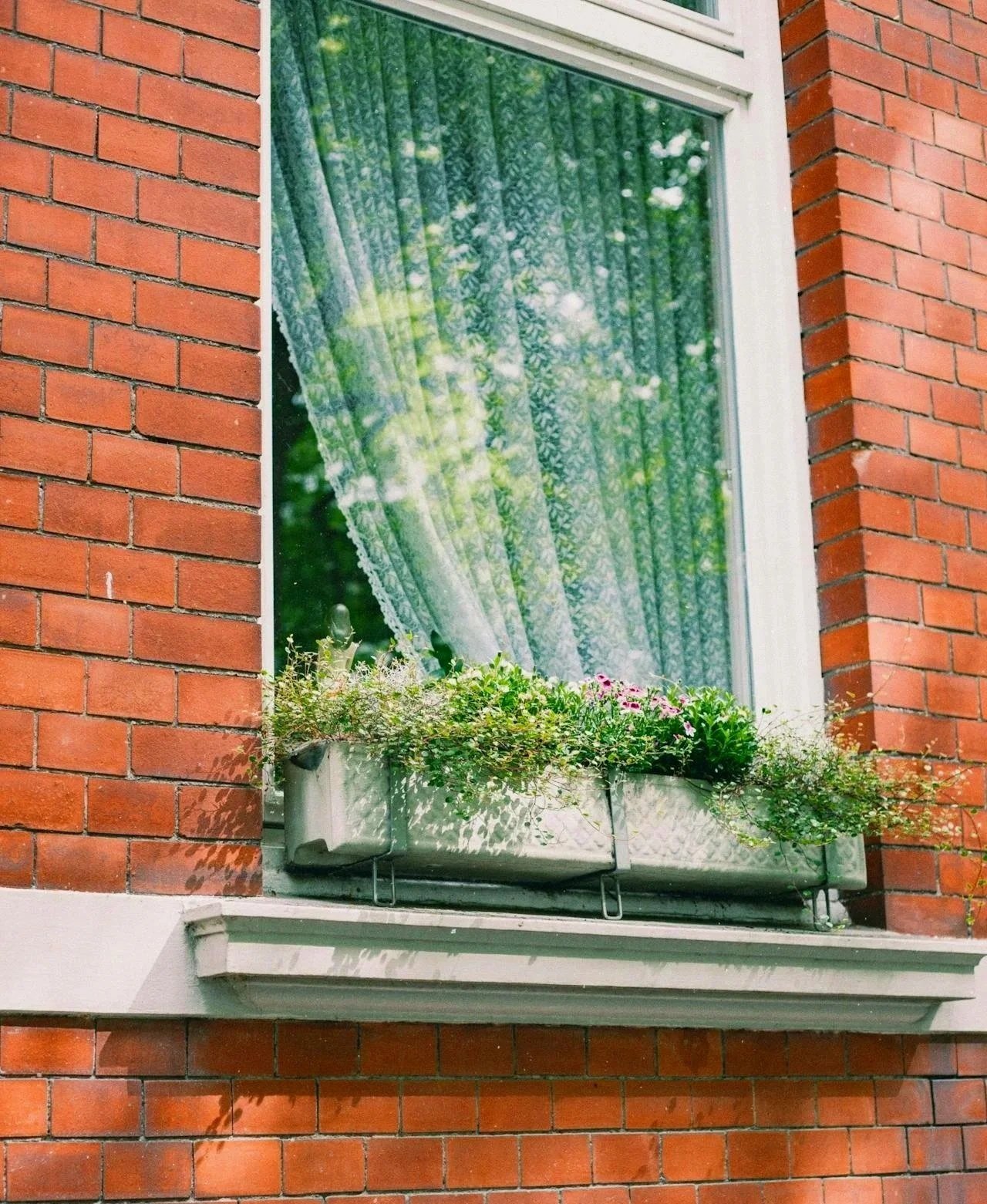
photo by Sarah Films
Something is both inside and outside at once.
The glass holds it—reflection, light, what is seen and what is layered over it.
The boundary is there, but it isn’t fixed.
Write a poem that begins at a threshold.
Start with what is visible: the window, the curtain, the reflection, the plants held just outside.
Stay with the physical: the textures, the surfaces, the way light moves across and through them.
Let the poem remain grounded in what can be seen before moving beyond it.
Then, let the poem turn.
Consider a time when you were on one side of something—looking in, or looking out.
A moment of separation: from a person, a place, a version of yourself.
Stay with the details of that experience.
What could you see, but not reach?
What was held on the other side?
You might explore:
the feeling of being outside a moment
what is visible but inaccessible
how distance changes what we notice
Let the poem move between what is seen and what is felt—allowing the image to hold both.
Optional:
Let one image appear twice, slightly altered
Include a moment where something is seen only through reflection
April 19th
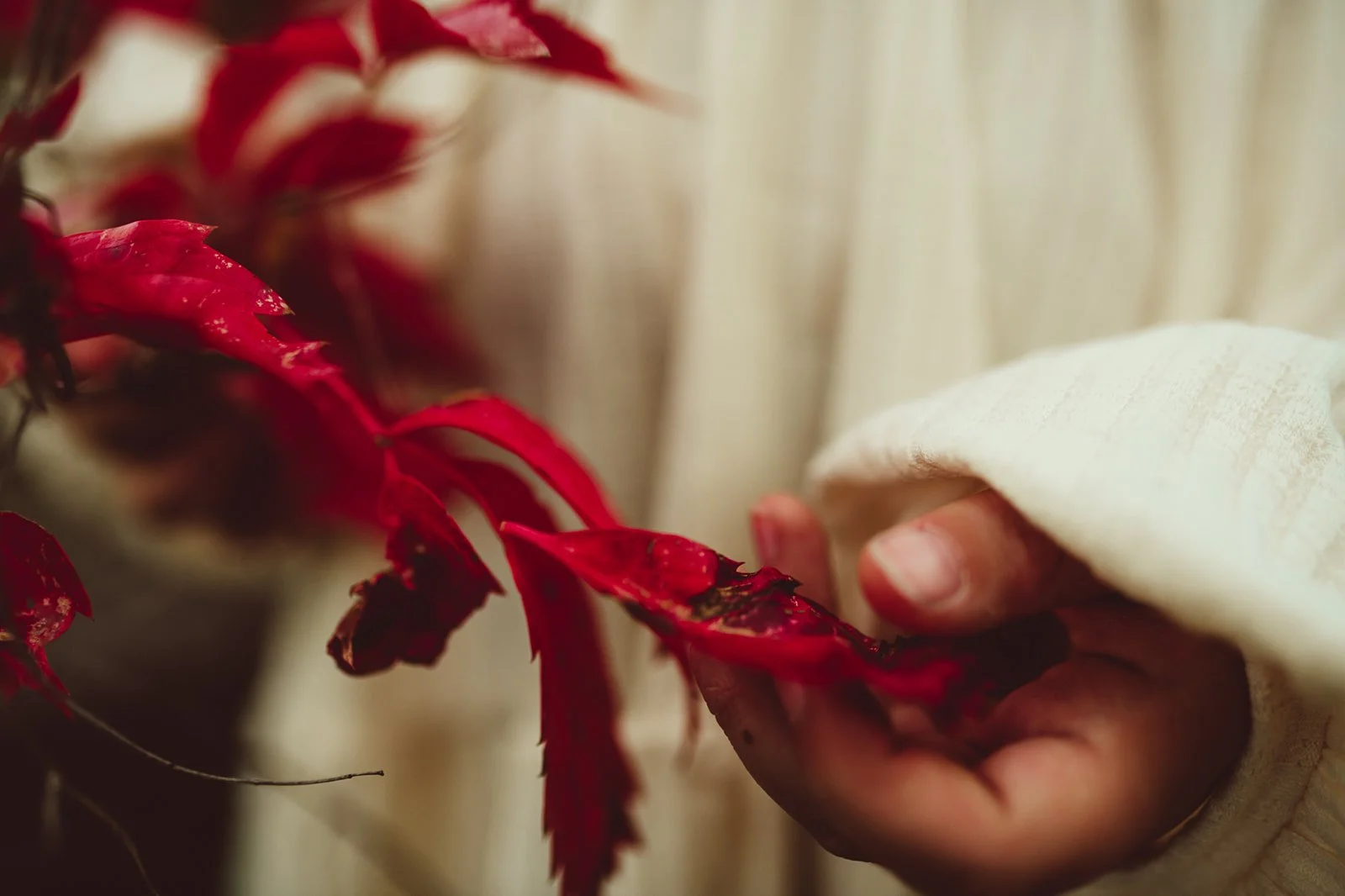
photo by Lauren Wright Photography
Today, the prompt is the image. Let the image take you somewhere, and wherever that is, it is good and right. Follow your instincts. Your subconscious will know how to make it happen.
April 18th
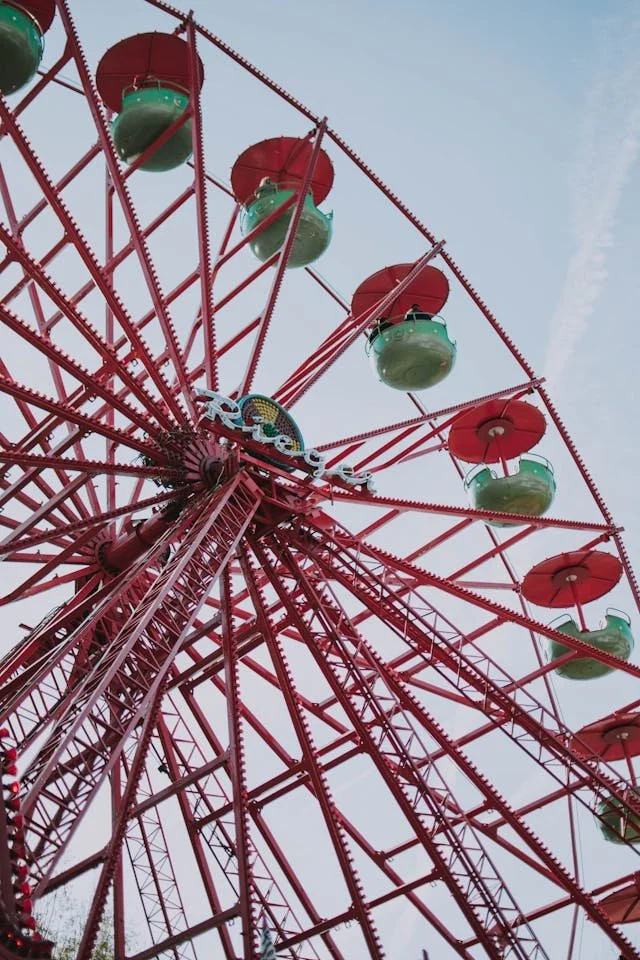
photo by Lil Artsy
They rise and fall—each one held for a moment before returning again.
Write a poem that begins with something in motion.
Start with what you can see: the structure, the angle, the way it turns or holds.
What repeats? What returns?
Stay with the physical at first—what can be observed, described, followed with the eye.
Next, let the motion take on a pattern.
What comes back again and again?
What changes, even slightly, each time?
Then, let the poem move inward: What does it mean to circle something rather than move away from it? What are you being carried through, or back to?
Let the poem stay with this turning, allowing repetition and shift to shape it.
Optional:
Repeat a line or phrase, with slight variation
Include a moment where the perspective changes—higher, lower, closer, or farther
April 17th

photo by Lauren Wright Photography
They hang there—small, steady, each one holding its own circle of light.
Write a poem that begins with light in a darkened space.
Start with what you can see:
the shape of it, the way it hangs or glows, the small area it touches.
What does it illuminate?
What does it leave untouched?
Stay with the physical at first—what can be observed, described, held in language.
Next, widen your gaze.
Let the dark have its place, too.
Then, let the poem move inward:
What does it mean to see only part of something?
What is revealed—and what remains beyond reach?
Let the poem stay with this balance, allowing both light and shadow to shape it.
Optional:
Let one image of light repeat or shift
Include a moment where something is almost seen
April 16th
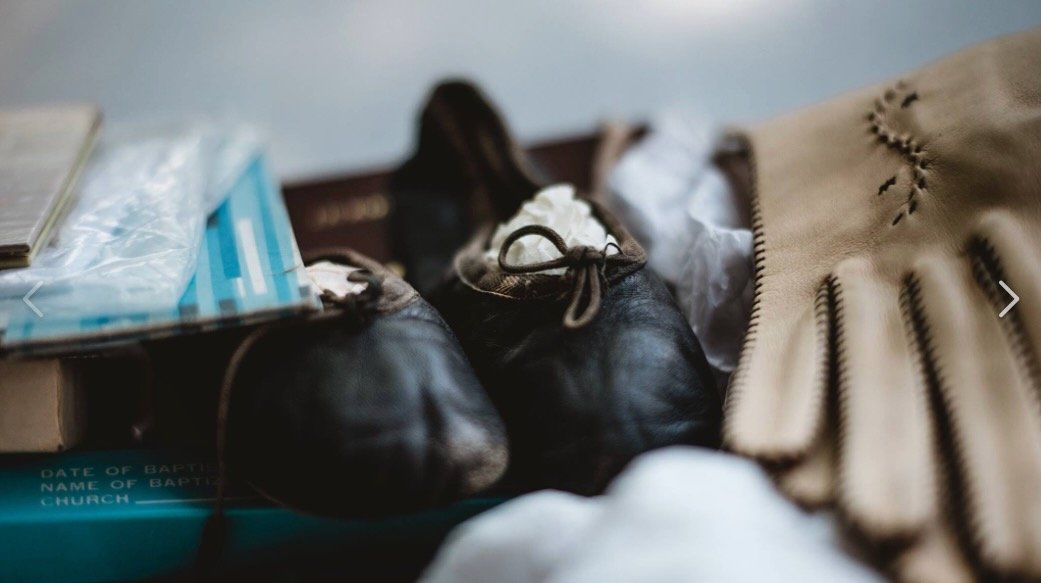
photo by Lauren Wright Photography
They have been kept—
for a reason, or maybe without one.
Write a poem that begins with an object that has been saved.
Start with what you can see:
the texture, the wear, the small details that suggest a life once in motion.
Who did this belong to?
What has it witnessed?
What does it still carry?
Stay with the physical at first—what can be named, described, held in language.
Then, let the poem move inward:
What does it remember?
What has been held onto—and why?
What remains, even after the person or moment has passed?
Let the object become a way in.
Optional:
Let the poem shift from object → person → feeling
Include one specific sensory detail (sound, scent, or touch)
April 15th
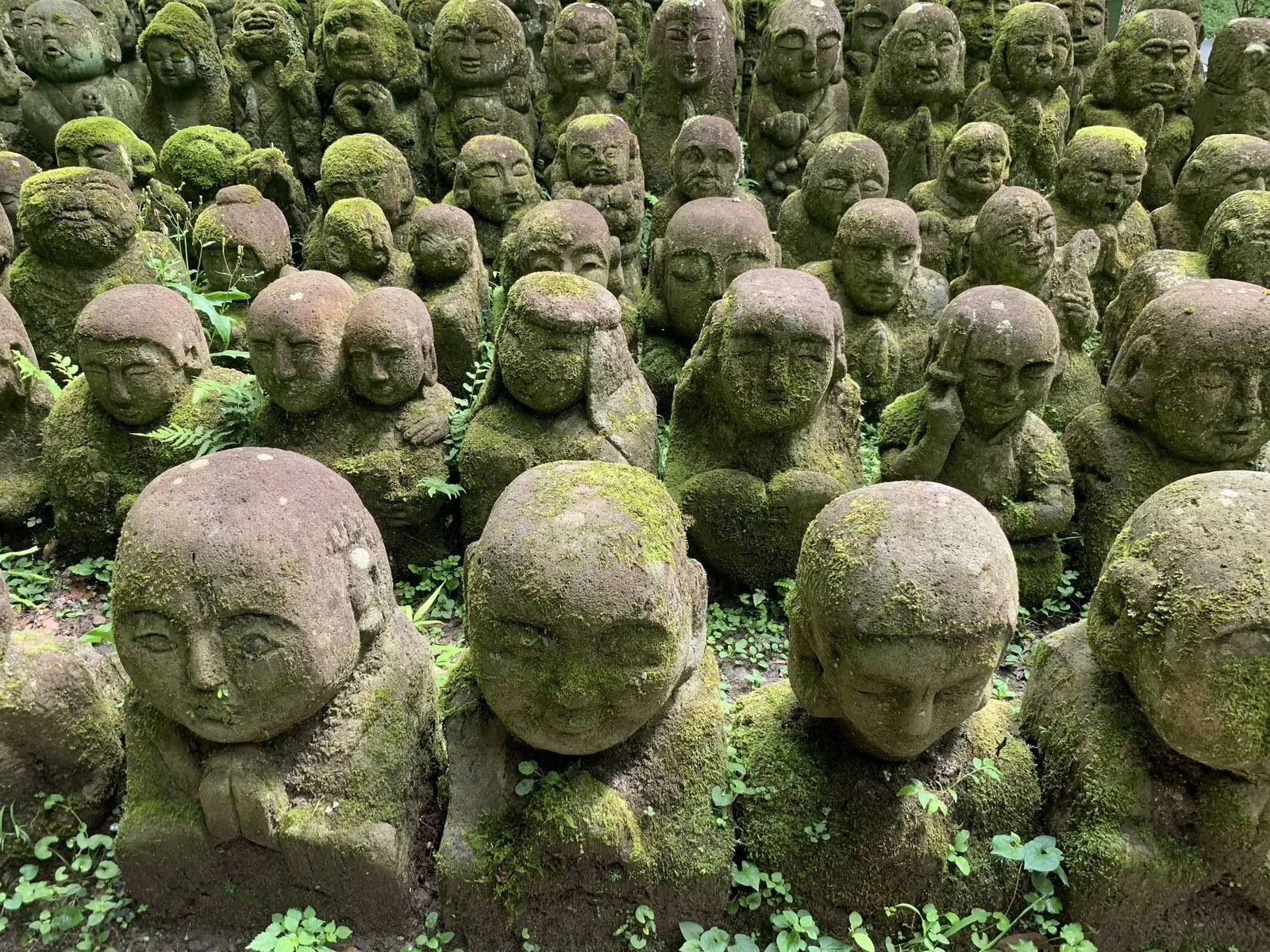
They are all here at once—
similar, but not the same.
Write a poem that begins with one figure among many.
Start by noticing what sets this one apart:
a gesture, a tilt, a feeling you can’t quite name.
Then widen your gaze:
What is shared?
What repeats?
What disappears into the whole?
Stay with what is visible at first—what can be seen, described, held in language.
Then, let the poem move inward:
What does it mean to be one among many?
Where does individuality hold—and where does it blur?
What is lost, or gained, in belonging?
Let the poem move between the single and the collective, allowing both to shape each other.
Optional
Shift between “I” and “we,” or between singular and plural
Let one detail echo across multiple figures
These stone figures are Rakan. Rakan are enlightened disciples of the Buddha,
each portrayed as a distinct individual within a shared path of awakening.
These Rakan are at the Otagi Nenbutso Temple in Japan.
April 14th
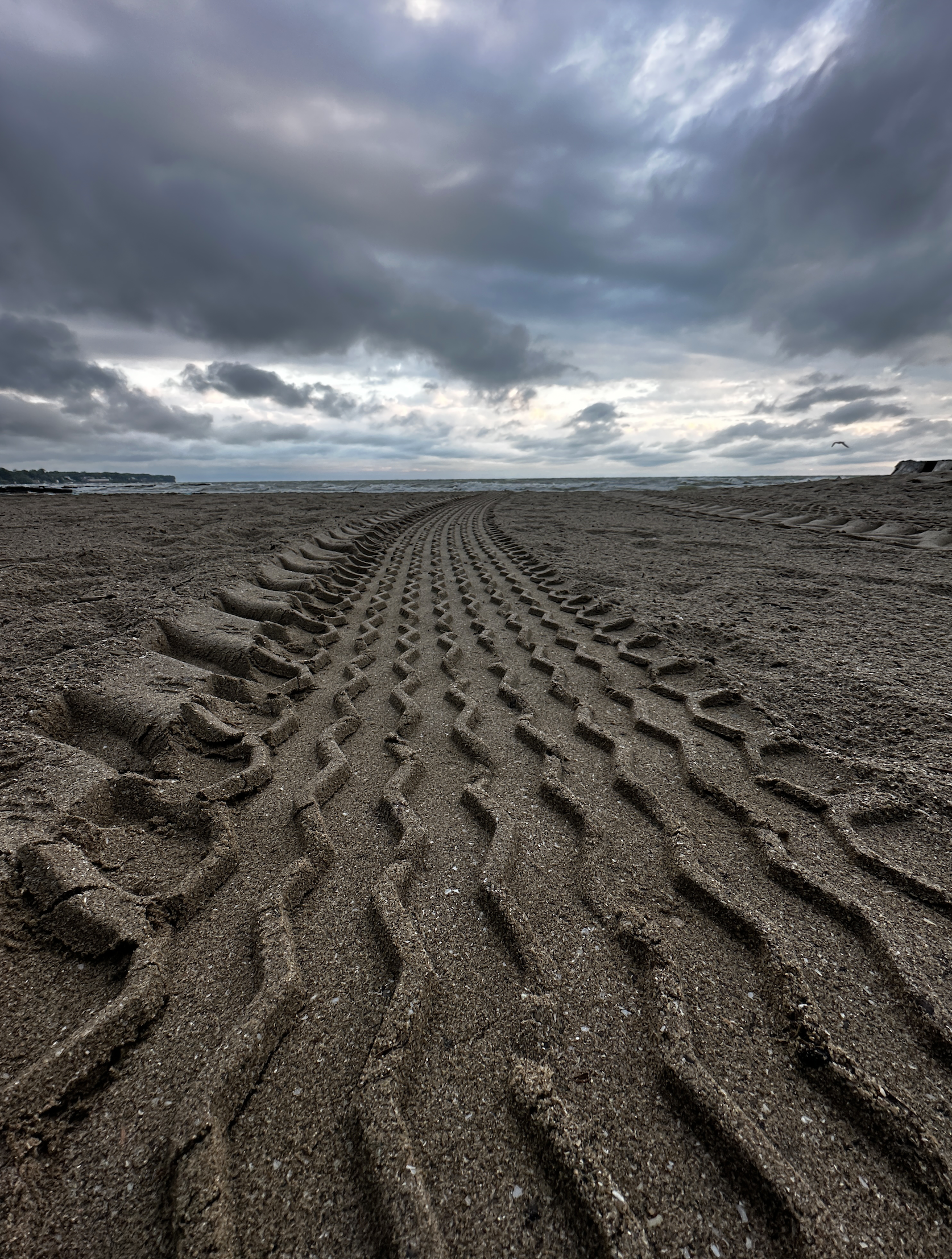
photo by Gerrie Paino
Something has already moved through here.
The ground holds the record of it—
the weight, the direction, the turning.
Write a poem that begins after something has passed.
Start with what remains:
the marks, the traces, the altered objects.
Stay with the physical:
Stay with what is tangible: the details you can see, touch, or name.
Let the poem remain grounded in what is actually there before moving beyond it.
Then, let the poem follow:
Where does this moment lead?
What does it suggest, reveal, or leave unresolved?
What is no longer here?
You might explore:
what we leave behind without meaning to
the evidence of movement or change
the tension between presence and absence
Let the poem move forward, but keep returning to the concrete—to what is visible, what is held.
Optional:
Use a repeating image at least twice
Let the ending shift direction or open outward
April 13th
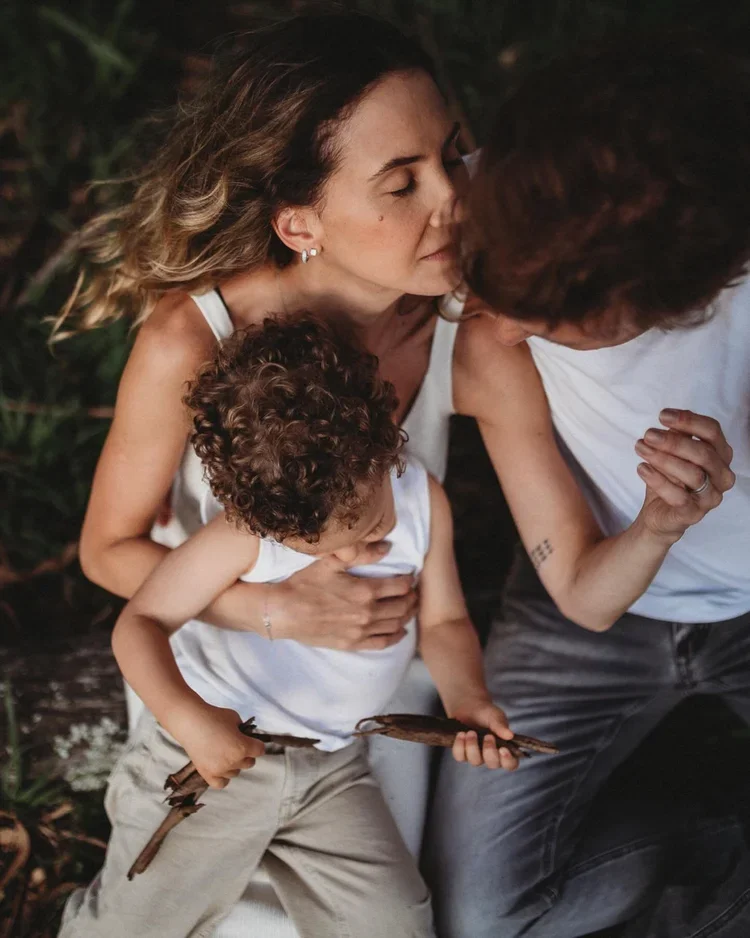
photo by Lauren Wright Photography
A hand rests. A child leans in. A gesture passes between people—small, almost unnoticed.
Write a poem that begins with a moment of closeness.
Start with the physical:
a touch, a gesture, the way bodies lean toward or hold one another.
Stay with what is happening:
the angle of a shoulder, the weight of a hand, the quiet exchange taking place.
Then, allow the poem to open:
What lives inside this moment?
What is being given, received, or held?
You might explore:
care and attention
the ordinary ways love is shown
what is said without words
Let the poem remain grounded in the moment—before explanation, before reflection.
Stay close.
Optional:
Write in the present tense (most immediate)
Let one small gesture carry the poem
April 12th
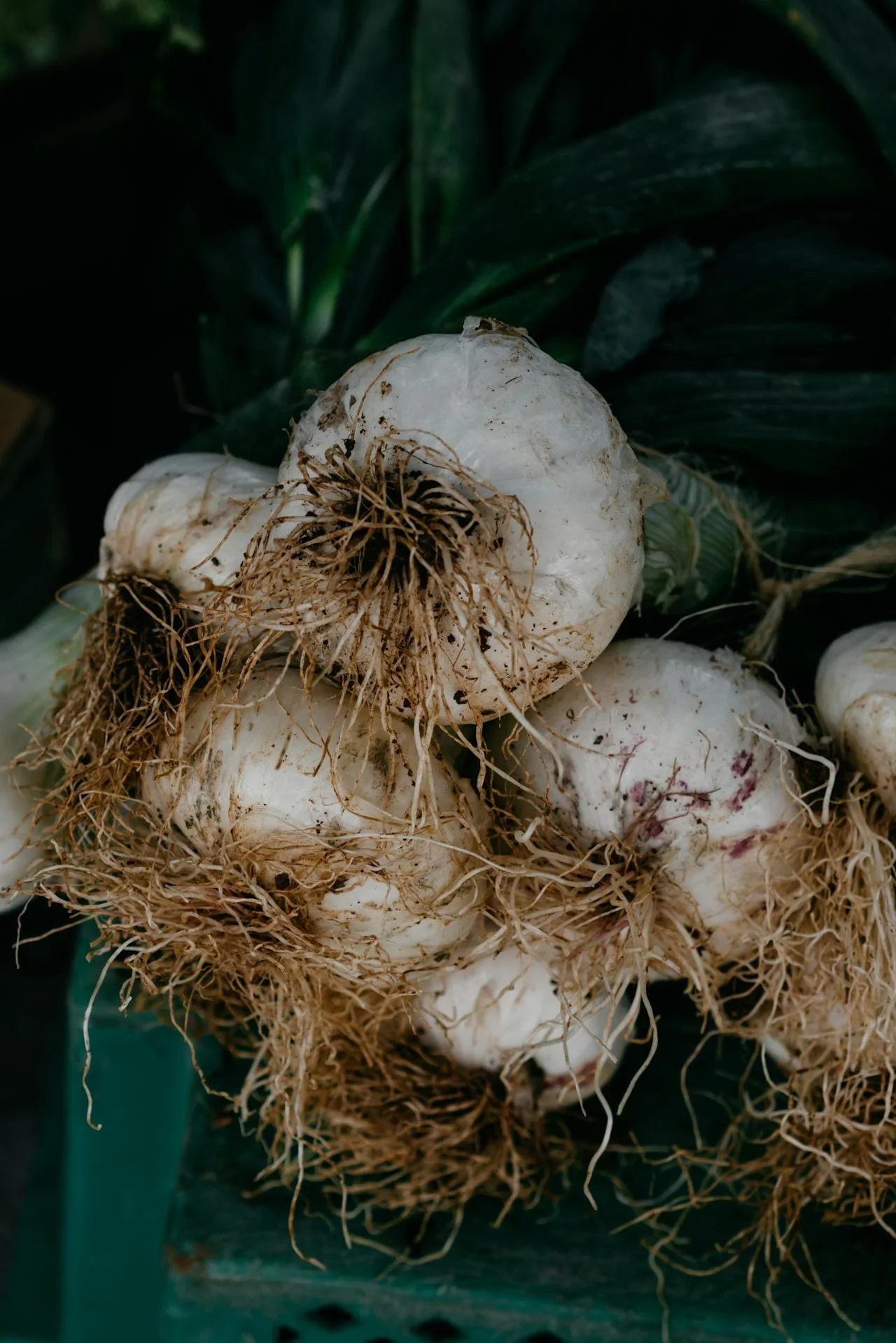
photo by Polina Kovaleva
These have just been pulled from the ground—roots still tangled with soil, the work of growing still visible.
Write a poem that begins with pulling something into the light.
Start with the physical act:
hands in dirt, resistance, the slow release, what comes free and what clings.
Stay close to the body and the moment:
the texture, the smell, the weight, what is revealed as it surfaces.
Then, let the poem open:
What has been growing out of sight?
What takes effort to bring into the light?
What comes with it when it rises—memory, history, something you didn’t expect?
Now is when the metaphor develops. Allow the pulling the root vegetable into the light to stand in place of the act of revealing a memory and the work of bringing that into the light.
You might explore:
origins and inheritance
unresolved conflicts
past mistakes
secrets
Let your words honor what is still attached—what resists being cleaned or simplified.
Allow an image or detail to remain “unresolved,” still carrying a trace of where it came from.
April 11th
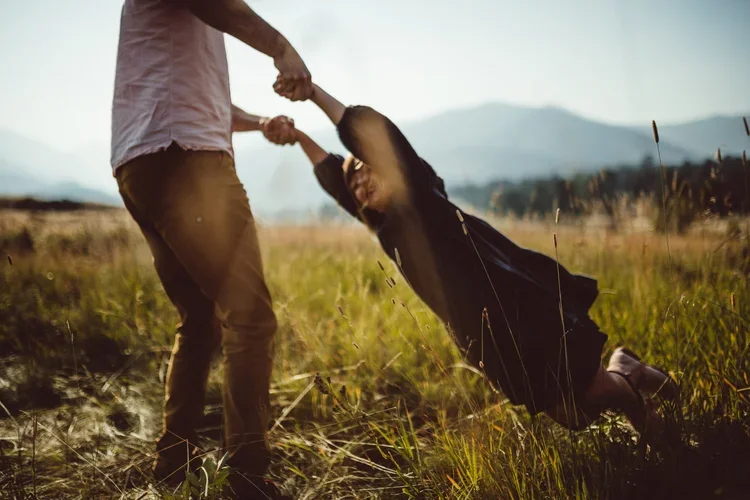
photo by Lauren Wright Photography
One person lifts, another holds. For a moment, there is no ground—only motion, trust, and the feeling of being aloft.
Write a poem that begins with being held—or letting go.
Start with the physical:
hands gripping, arms pulling, the tilt of the body, the sudden lightness or pull.
Stay with the sensation:
the rush, the imbalance, the brief suspension between falling and being caught.
Then, allow the poem to open:
What does it take to trust like this?
What is risked in the letting go?
Who has held you—or failed to?
You might explore:
play and vulnerability
the body in motion
moments when trust is instinctive—or hard-won
Write in present tense to keep the feeling immediate and alive.
Let the poem stay in the energy of the moment—before it lands, before it resolves.
April 10th
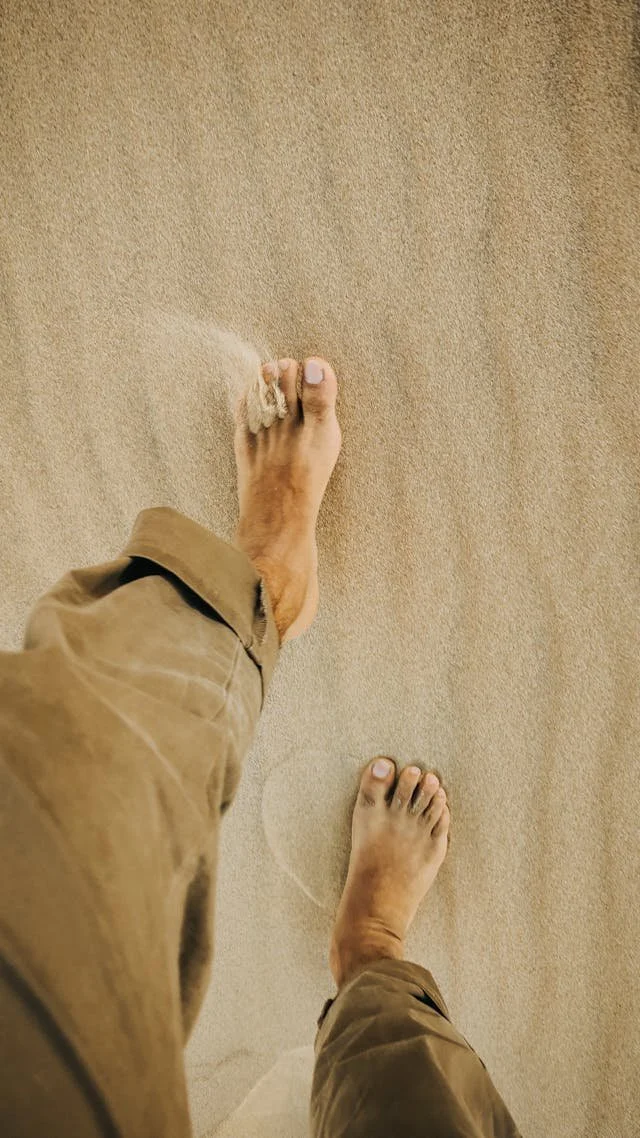
photo by Jose Aragones
Sand shifts beneath your feet. Each step both holds and gives way.
Write a poem that begins with walking.
Start with the body:
the pressure of your foot, the texture beneath it, the way balance is found and lost.
Stay close to the physical world:
heat, grain, movement, the sound (or silence) of each step.
Then, let the poem open:
Where are you going?
What are you leaving behind?
What does it mean to move forward when the ground itself is always changing?
You might explore:
uncertainty or trust
the act of continuing
a moment when you had to keep going, even without clear footing
Let the poem move between inner and outer landscapes—the literal ground and the emotional one.
There’s no need to rush the poem forward. Let each step matter.
April 9th
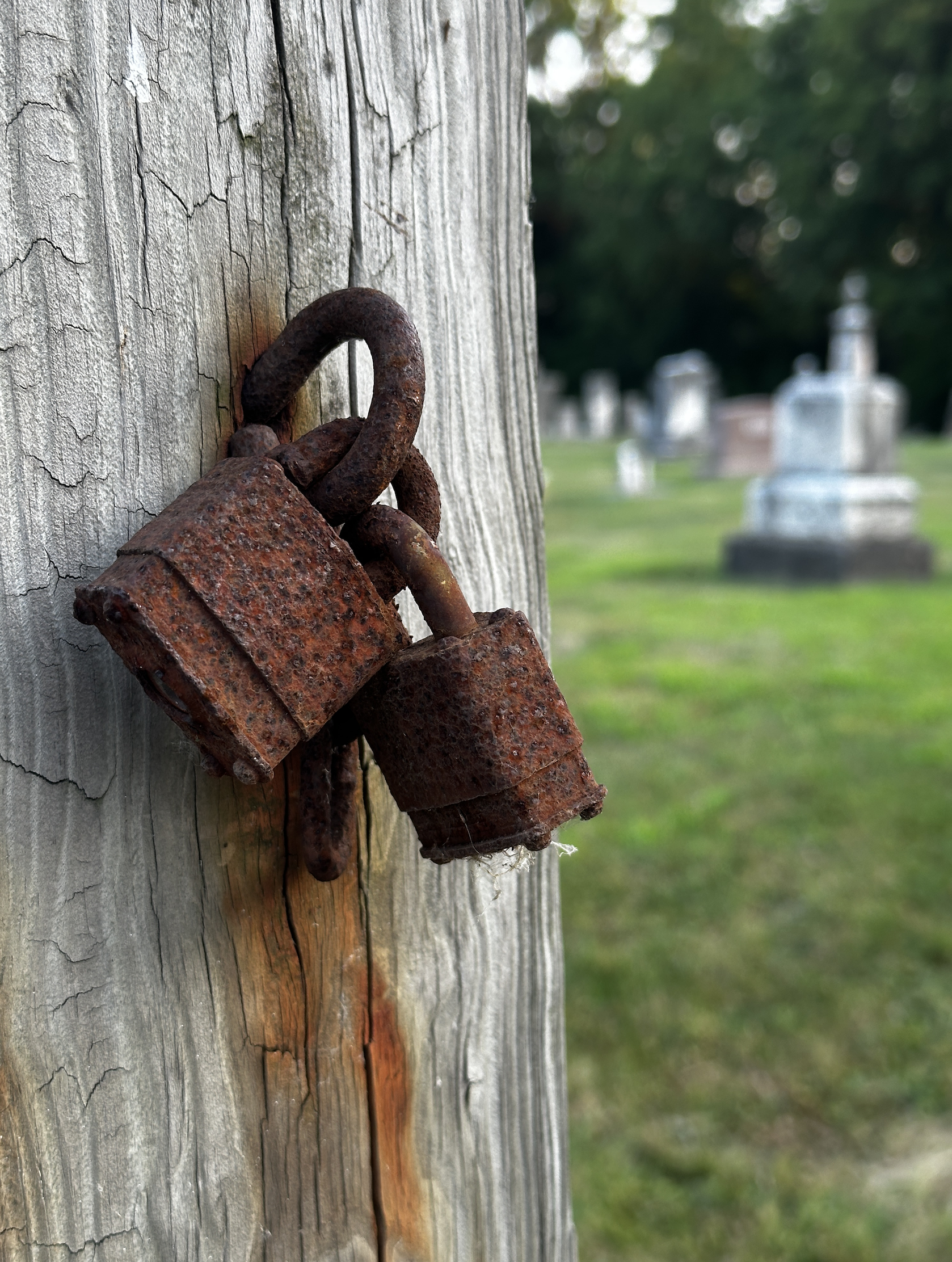
photo by Gerrie Paino
Two locks hang in place, weathered and rusted, holding something closed—or perhaps holding nothing at all.
Write a poem that begins with locking or unlocking.
Start with the physical act:
a hand turning a key, fastening a gate, securing something in place—or trying to open what has been closed for a long time.
Stay with the body and the moment:
the weight of the metal, the resistance, the sound, the hesitation.
Then, allow the poem to open:
What has been kept in—or kept out?
What has changed while it remained closed?
What does it mean to return to something that no longer opens?
You might explore:
protection or loss
what we try to preserve
what cannot be revisited
(Optional) Let the poem move between past and present—what was once held, and what remains now.
There’s no need to resolve the image. Let it hold what it holds.
April 8th
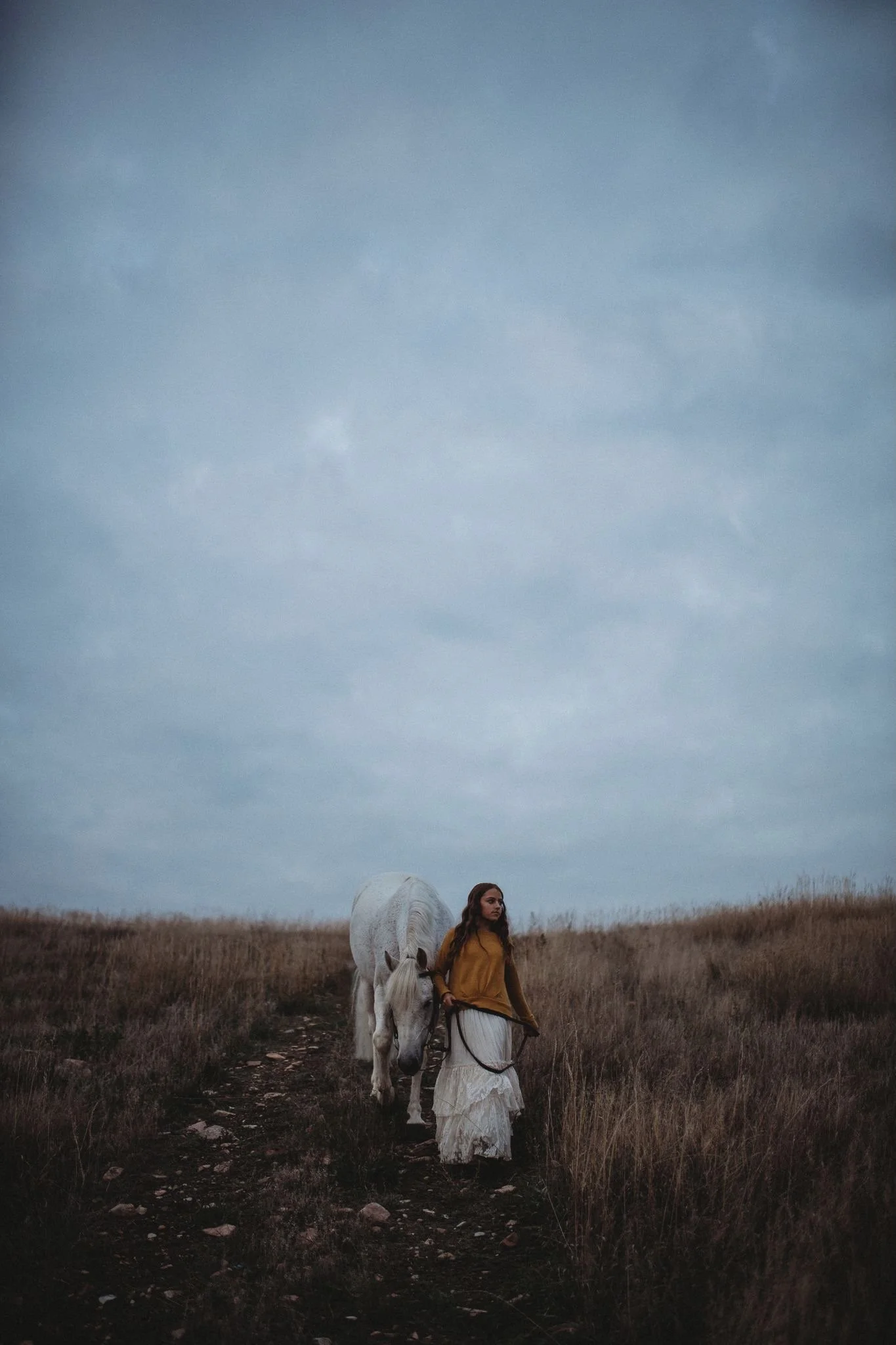
photo by Lauren Wright Photography
Two figures move through an open landscape—one leading, one following, or perhaps simply walking alongside. The sky is wide, the path uncertain, and something in the movement feels both ordinary and meaningful.
Write a poem that begins with walking.
Let the poem follow a path, literal or emotional. Who (or what) is beside you? What is being carried, guided, or trusted?
You might explore:
companionship—spoken or unspoken
the act of leading, following, or moving in quiet agreement
a journey that is less about destination and more about staying alongside
Stay grounded in the physical world: the texture of the ground, the weight of the lead, the rhythm of steps, the openness of sky.
Then, allow the poem to open into something inward:
What does it mean to walk with something—or someone—over time?
(Optional) Try writing this as a parallel poem, where two threads move side by side (outer journey / inner journey).
Let the poem move at its own pace. There’s no need to arrive anywhere.
April 7th
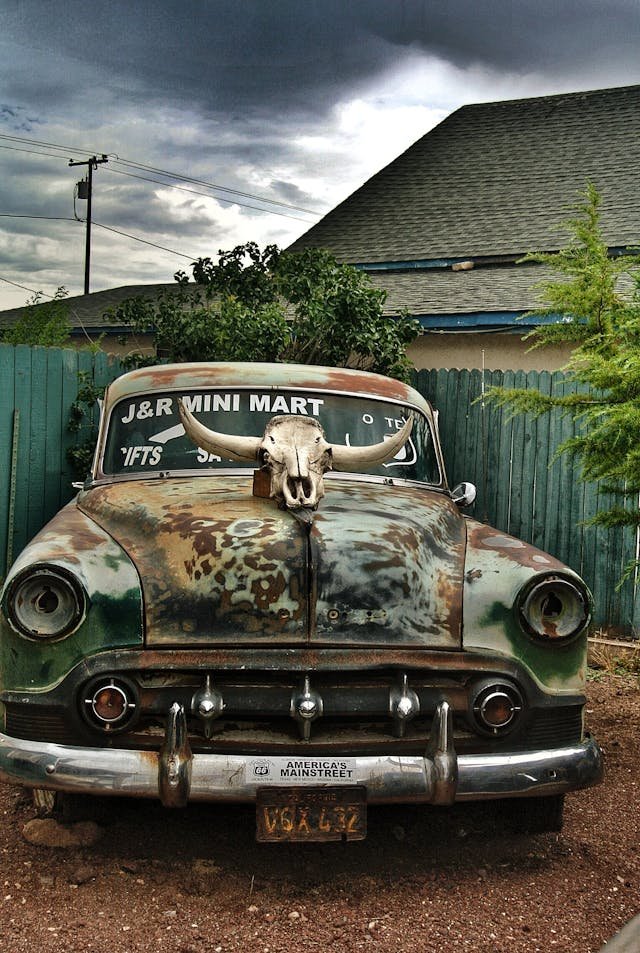
photo by Pascal Claivaz
Something here doesn’t quite belong!
A car that no longer runs. A skull where a face might be. A place that suggests one story, interrupted by another. The familiar made strange.
Write a poem that begins with an image that feels off—unexpected, out of place, or slightly surreal.
Let the poem follow that strangeness.
You might:
give the object or scene a voice
invent the story behind how it came to be
let the speaker move through confusion, curiosity, or recognition
allow the poem to shift from the real into the imagined
Stay close to the details—the rust, the weight, the silence, the setting—but let the poem open into something larger: memory, myth, or meaning.
(Optional) Try writing this as a dramatic monologue, where the speaker is part of the scene—someone who owns the car, remembers it, or refuses to explain it.
Let the poem keep a little of its mystery. Not everything needs to be resolved.
April 6th
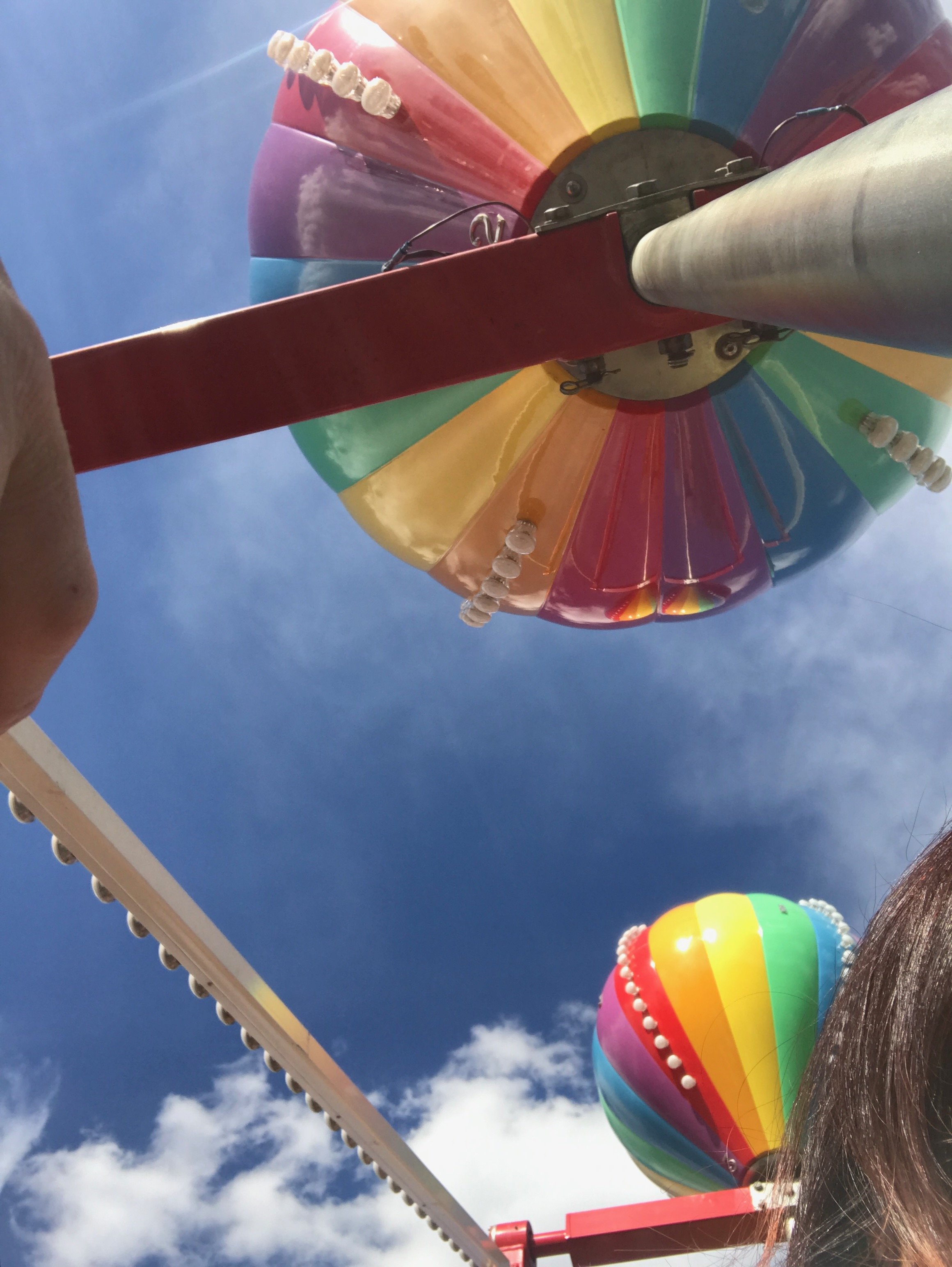
photo by Lauren Wright Photography
This image tilts the world. Color spins above, the ground disappears, and for a moment, you are no longer steady—you are inside the motion.
Write a poem rooted in a lived experience—one that shifted your sense of balance, perspective, or control.
Begin with a moment you remember in the body:
a ride, a fall, a sudden turn, a moment of laughter, fear, or release. Let the poem stay close to sensation—the angle of the sky, the pull of gravity, the blur of color, the feeling of being carried or lifted.
You might explore:
a moment when the world felt unstable or newly alive
the body’s response to motion, surprise, or delight
how perspective changes when you are no longer standing still
Let the poem move the way the experience moved—spinning, rising, pausing, or returning.
(Optional) Try writing this in second person, as if guiding someone else through the moment: you lean back, you look up, you let go…
April 5th
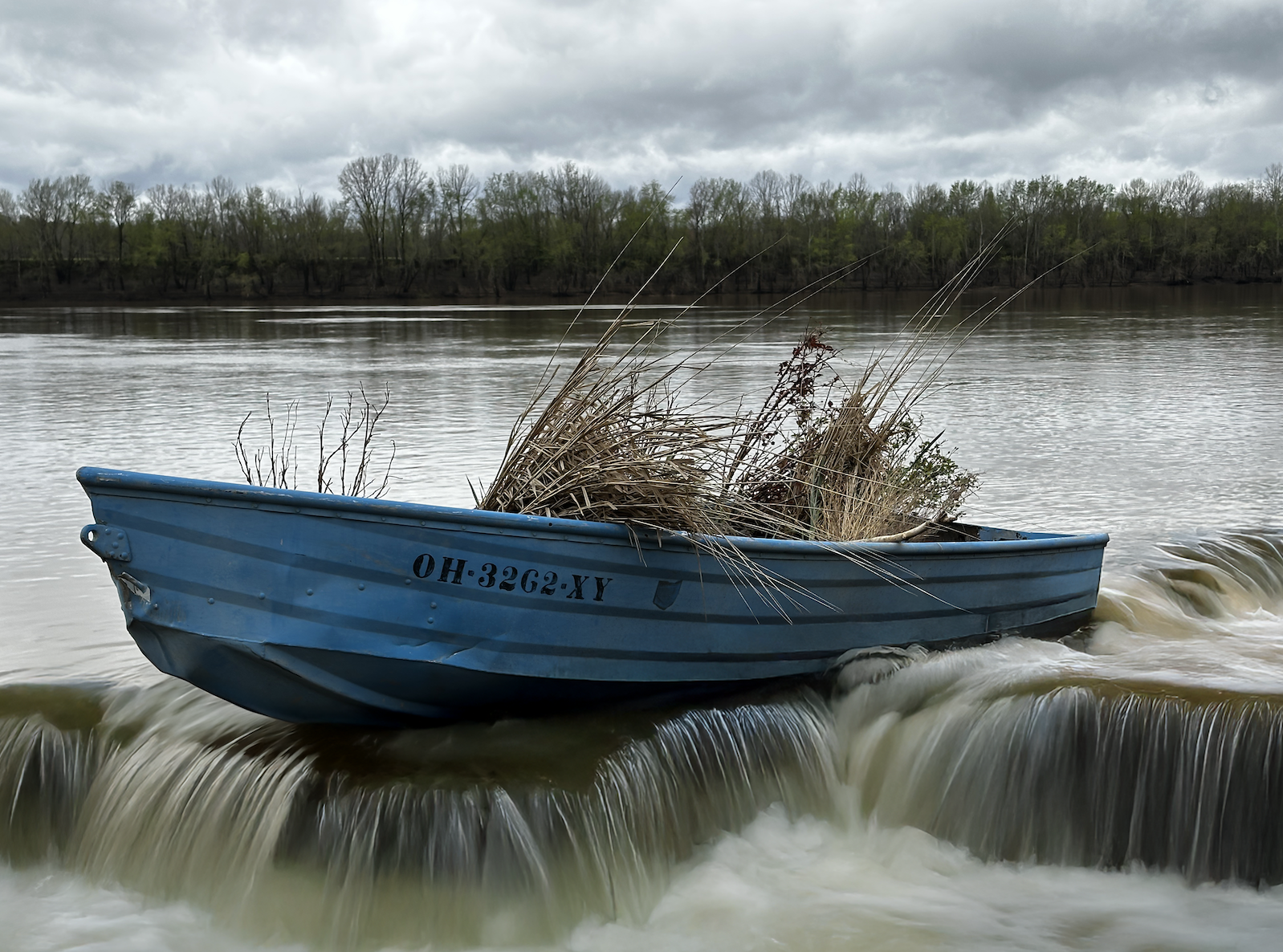
photo by Gerrie Paino
This image holds a moment on the edge—something caught between staying and going. The boat rests, but the water moves beneath it, carrying everything forward.
Write a poem that begins with a sense of threshold.
What is about to change? What has already begun to move, even if nothing appears to? Let the poem live in that in-between space—just before, just after, or suspended within it.
You might explore:
a moment of decision or inevitability
something being carried, released, or left behind
the tension between stillness and motion
You might try writing this as a list poem—each line offering an image, a moment, or a fragment that gathers toward the edge. Let the accumulation create movement.
Stay close to the physical world—the weight of the boat, the pull of water, the pressure of what cannot remain.
April 4th
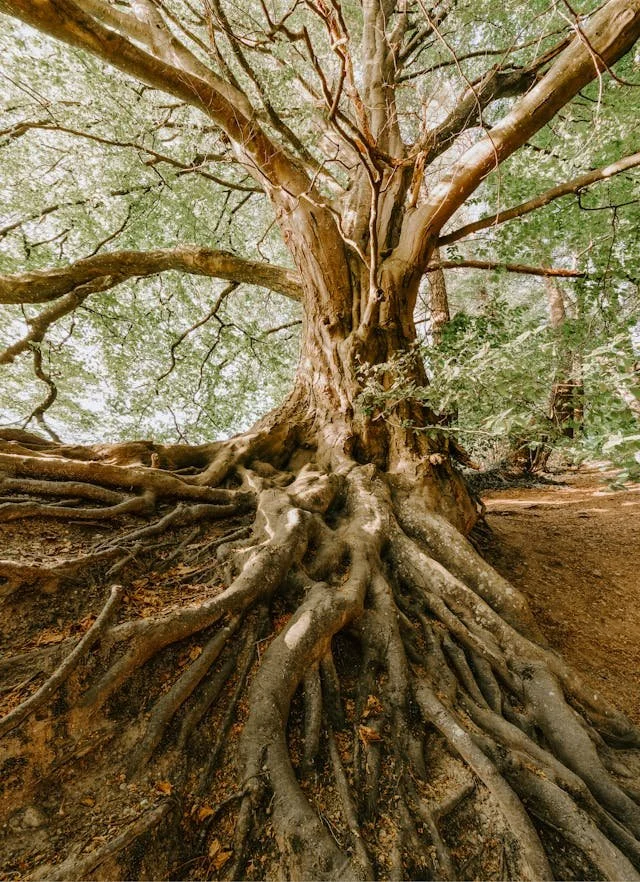
photo by Felix Mittermeier
This tree holds both what is seen and what is usually hidden—the roots exposed, reaching, gripping the earth, while the branches open outward into light.
Write a poem that uses the tree as a metaphor.
Let it stand in for something: a life, a relationship, a history, a body, a way of being. What are its roots? What does it hold onto? What has shaped its growth?
You might try writing this as a haibun—a brief prose passage followed by a short poem (often haiku-like). The prose can ground us in scene, memory, or reflection; the closing lines shift, distill, or open the moment in a new way. (How to write a haibun and more tips on Haibun)
You might explore:
what lies beneath the surface—memory, place, inheritance
what is visible versus what remains hidden
how something endures, adapts, or continues
Allow the details of the tree—its roots, trunk, and branches—to carry meaning. Let the metaphor do the work.
There’s no need to explain. Let the poem grow from what is held and what is reaching.
April 3rd

photo by Lauren Wright Photography
This image centers on a small, intimate moment—hands adjusting fabric, a body in motion, care given without ceremony. It feels ordinary, and yet it holds something lasting.
Write a poem that begins with remembering.
You might begin:
Remember…
Let the poem move into a past moment—something quiet, easily overlooked, but still held in the body. A gesture. A routine. A moment of care, tenderness, or attention.
You might explore:
what the body remembers that the mind forgets
a moment of being cared for, or caring for someone else
the small, daily acts that shaped a relationship
Stay close to the physical details—the hands, the fabric, the light, the movement. Let memory unfold through what can be seen, touched, or felt.
Constraints (Optional, choose 1)
Avoid first person as the subject. Focus instead on the object of the remembering. Make it the subject.
Let the poem move between past and present, even briefly
Let the remembering be enough.
April 2nd
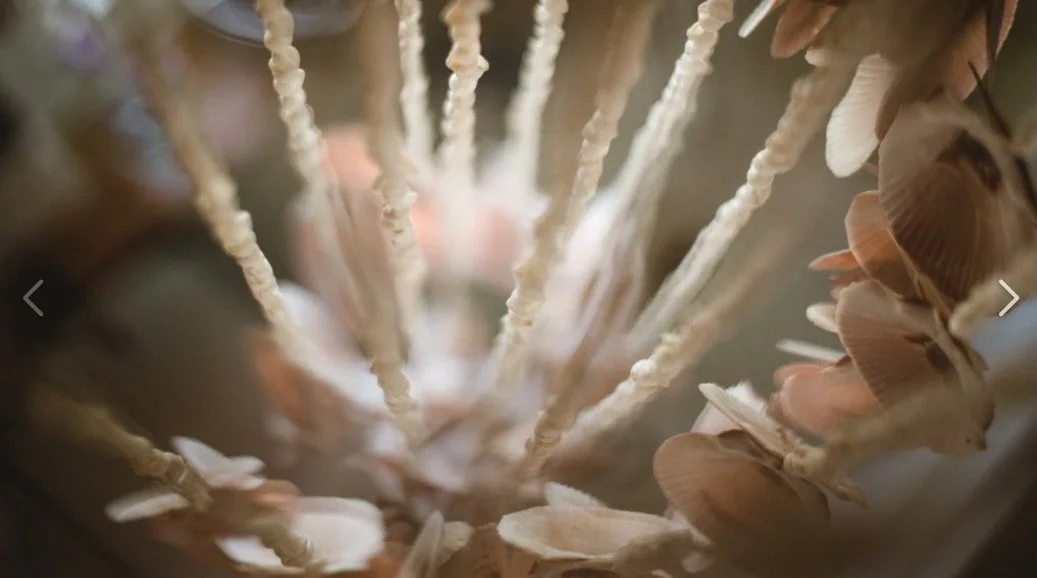
photo by Lauren Wright Photography
This image draws us into a center—something held, something opening. The shapes reach outward, but gently, as if growing or remembering how to become.
Write a poem that begins inside something: a moment, a body, a memory, a place. Let the poem move outward from that center. What is unfolding? What is being revealed slowly, almost without being named?
You might think about:
what it means to be within rather than observing from a distance
something fragile or intricate
the way small elements gather into something larger
Let the poem follow the lines outward—allowing each image or thought to extend, connect, or branch.
There’s no need to explain. Let the poem open.
April 1st
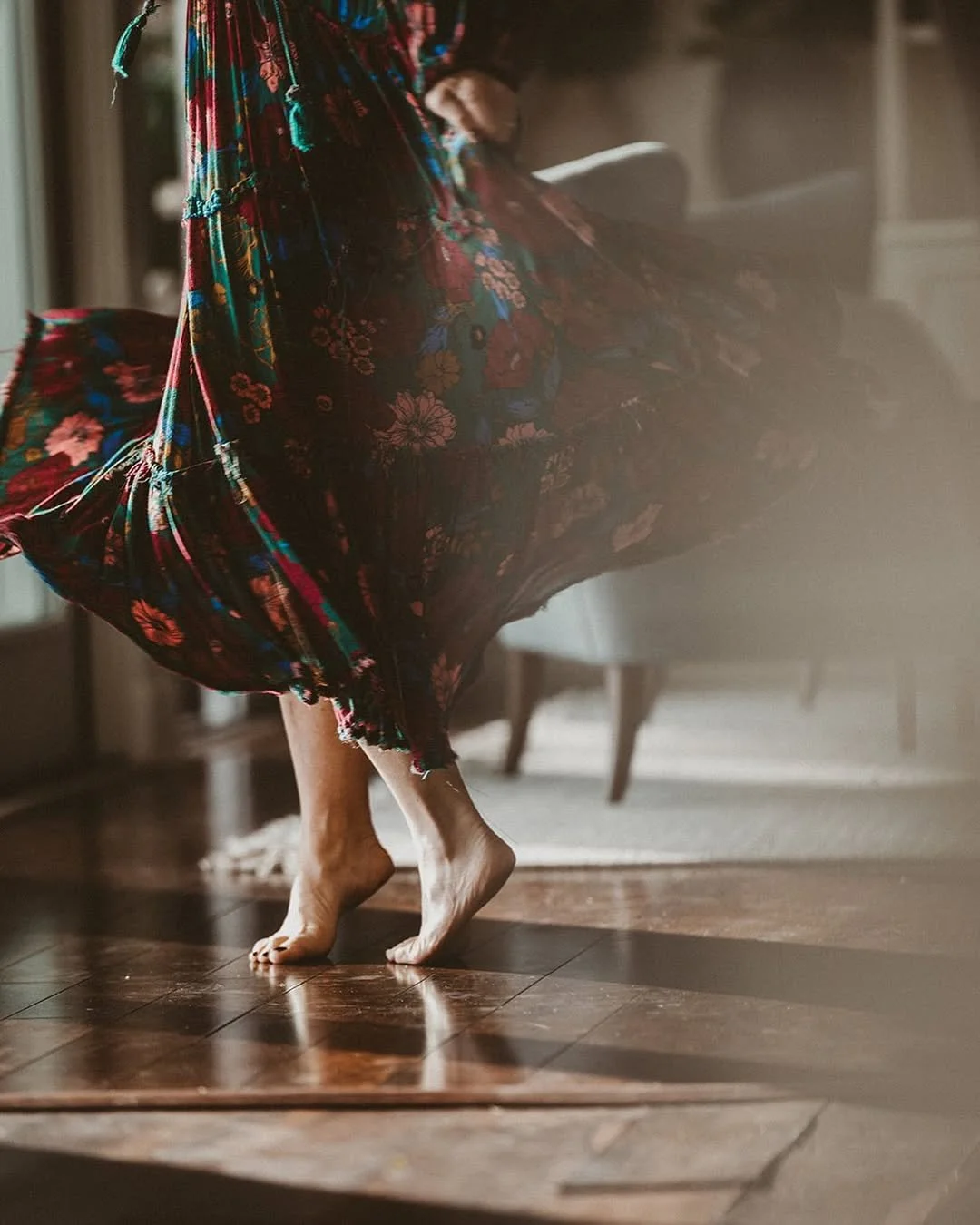
photo by Lauren Wright Photography
Quisque iaculis facilisis lacinia. Mauris euismod pellentesque tellus sit amet mollis.